

ADVICE
How to clean stains effectively?
Discover all the tips and methods for removing stains without damaging your fabrics, even the most delicate.
Who hasn't spilled coffee on a shirt, sauce on a pair of light-colored pants, or makeup on a favorite bag? Stains are part of our daily lives, but fortunately, there are simple and effective solutions to remove them without damaging our clothes and accessories.
Knowing how to effectively clean stains depends primarily on the type of stain and the fabric. Whether it's cotton, wool, leather, or polyester, each material has its own requirements. In this guide, discover the right steps, the best products, and the mistakes to avoid to get your clothes looking like new again.
1. Identify the stain and the fabric: an essential step
Before whipping out your stain remover, take a few seconds to assess the situation. Where did the stain come from? Is it greasy, colored, acidic, or pigmented? And most importantly, what fabric is it embedded in?
A cotton t-shirt will withstand vigorous treatment much more easily than a wool scarf or a leather bag. By identifying the nature of the fabric and the stain, you can adapt your cleaning method and avoid many disasters.
2. Act quickly, but gently
The golden rule of stain removal: the faster you act, the easier it will disappear. Blot it immediately with a clean cloth or paper towel, but don't rub to avoid spreading it. In most cases, rinsing with cold water is enough to limit the damage—especially before the stain dries.
If you use a product (natural or industrial), always test it on an inconspicuous area of the garment. This will help you avoid unpleasant surprises like discoloration or staining.
3. The right products to remove stains
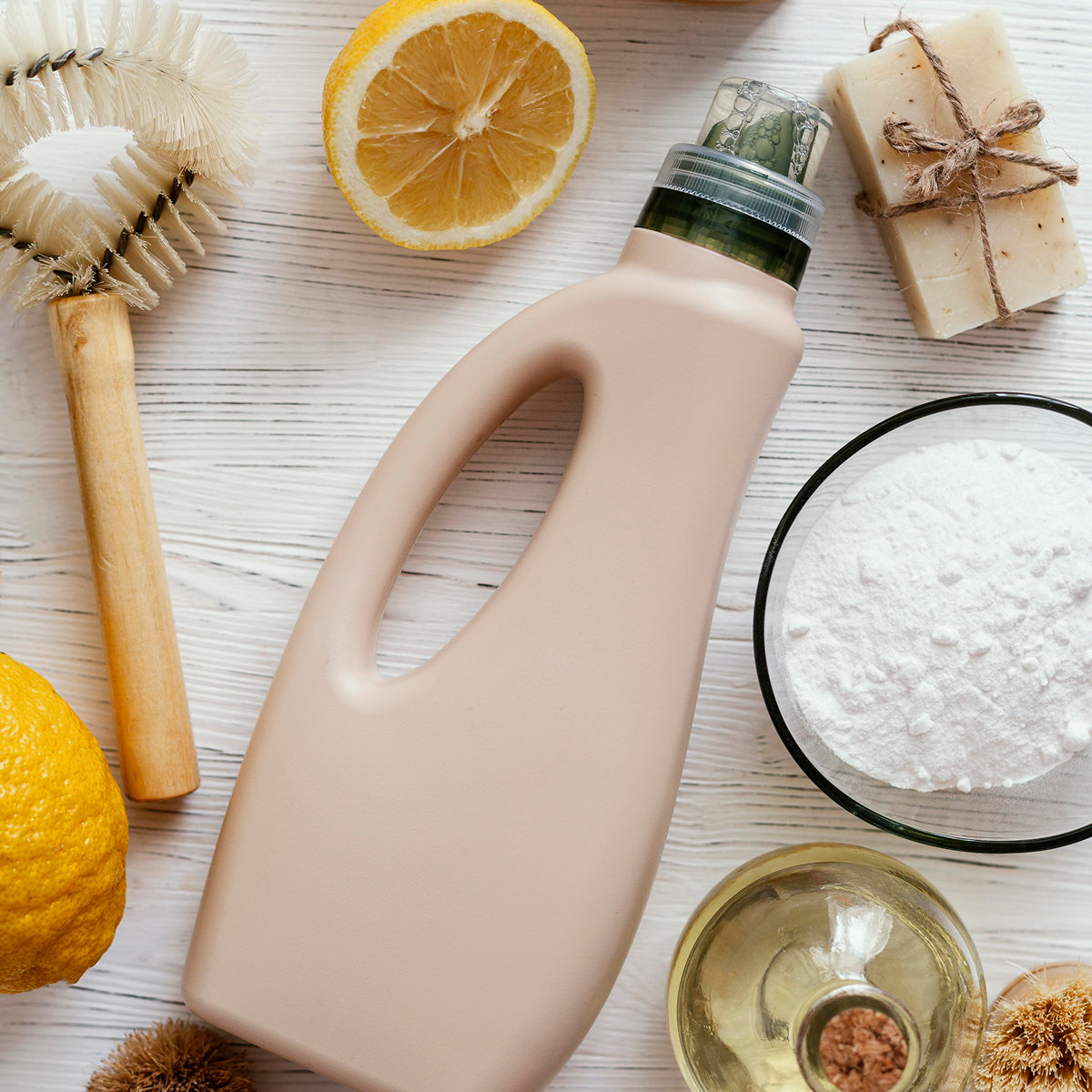
It's not always necessary to resort to chemical stain removers. Some natural ingredients are true allies for effective stain removal:
- Marseille soap, gentle and effective on cotton fabrics.
- Baking soda, perfect for absorbing grease.
- Diluted white vinegar, ideal for deodorizing and revitalizing colors.
- Lemon or salt, useful for certain organic stains (such as perspiration or wine).
These homemade solutions are economical, environmentally friendly, and gentle on fibers. For more delicate fabrics like wool or leather, it's better to opt for a specific product or entrust the cleaning to a professional.
4. Adapt your method according to the type of stain
Not all stains are created equal.
- Greasy or oily stains, such as those left by salad dressing or butter, should first be absorbed with talcum powder or baking soda before washing.
- Colored stains, such as red wine or tomato sauce, should be treated with cold water and a little mild soap or a few drops of diluted hydrogen peroxide (on light-colored fabrics only).
- As for makeup stains, it's best to use a mild makeup remover or a little liquid soap, then rinse with warm water.
Delicate fabrics like wool, leather, or suede deserve special care: no rubbing, no hot water, and especially no drying in direct sunlight. Gentle cleaning, or even dry cleaning, is often the best option.
5. After stain removal: washing and drying
Once the stain has been treated, machine wash the garment according to the instructions. Check before drying that the stain has disappeared: if not, repeat the treatment. Tumble drying your garment could set it permanently.
For leather or coated fabric accessories, simply let them air dry, away from heat sources. Regular care with a nourishing product will extend their lifespan.

In short
Effective stain removal requires, above all, method, patience... and a few precautions. Many people make the same mistakes: rubbing too hard, using hot water, or using multiple stain removers in the hope of achieving better results. In reality, these reflexes are more likely to set the stain or damage the fabric. By acting quickly, choosing the right product, and respecting the nature of the fabric, it's possible to save almost any stained clothing and accessories.